

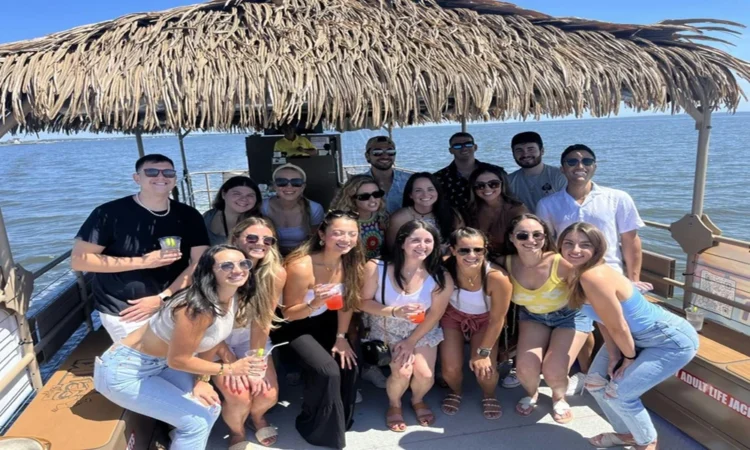
Planning a group outing should be exciting, but coordinating schedules, activities, transportation, and individual preferences can quickly become overwhelming. When the activity involves spending time on the water, a little preparation can make the difference between a relaxed experience and a day filled with unnecessary complications.
Long Island offers opportunities to enjoy waterfront scenery, explore coastal communities, and spend quality time with friends, family, or colleagues. Whether you’re organizing a birthday celebration, a casual gathering, or a weekend activity, choosing the right experience is essential.
Here are some practical ways to organize an enjoyable group outing while keeping everyone comfortable, prepared, and involved.
Start With Your Group’s Interests and Expectations
Before choosing an activity, consider what everyone wants from the experience.
Some people prefer a peaceful sightseeing trip, while others enjoy music, conversation, and a more energetic social atmosphere. Understanding these preferences early helps prevent disagreements later.
Consider asking your group a few simple questions:
- Would everyone prefer sightseeing, socializing, or a combination of both?
- How much time can participants comfortably spend on the water?
- Are there any accessibility needs or mobility limitations?
- What is the approximate budget per person?
- Would a private experience or a shared activity be more suitable?
These questions help narrow your choices without making planning unnecessarily complicated.
Group size is another important consideration. Smaller gatherings may appreciate flexible arrangements, while larger groups generally benefit from activities with clear schedules, designated meeting points, and organized facilities.
Establishing expectations early also makes it easier to communicate important details as the outing approaches.
Choose the Right Type of Boating Experience
Not every boating activity provides the same experience. Long Island offers several possibilities, from casual sightseeing cruises to private charters and more interactive group outings.
The right option depends on your group’s interests, budget, and comfort level.
For example, a sightseeing cruise may appeal to visitors interested in coastal views, while a private charter might better suit a group celebrating a special occasion.
When researching boating in Long Island, compare available experiences based on passenger capacity, departure location, onboard amenities, trip duration, and whether the outing is shared or privately reserved.
A few features deserve particular attention.
Seating and comfort: Confirm that the vessel offers appropriate seating and enough usable space for your group.
Onboard facilities: Check whether restrooms, refreshments, shade, and other practical amenities are available.
Crew and supervision: Understand whether the experience includes a licensed captain and professional crew.
Activity atmosphere: Determine whether the outing emphasizes sightseeing, relaxation, music, or organized celebrations.
Booking arrangements: Review cancellation terms, passenger requirements, and what is included in the advertised price.
Comparing these details is more useful than choosing an experience based on photographs or price alone.
Plan Around Weather, Timing, and Transportation
Weather conditions can influence the comfort and scheduling of any waterfront activity.
Even on sunny days, temperatures on the water can feel different from those on land. Wind, changing conditions, and unexpected rain may affect the experience.
Check the forecast before departure and follow the operator’s guidance about weather-related changes. Bringing a light jacket, sunscreen, and weather-appropriate clothing can help participants stay comfortable.
Timing deserves equal attention.
For group activities, choose a departure time that allows everyone to arrive without rushing. Consider travel distances, parking availability, and the possibility of weekend traffic.
If your outing begins near Port Jefferson, for example, allow additional time to reach the waterfront, locate the correct boarding area, and complete any check-in procedures.
Communicate the meeting location and required arrival time clearly. Sending these details to participants in advance reduces confusion.
It is also useful to confirm the difference between the scheduled experience duration and the actual time spent cruising, since boarding and check-in may be included in the overall schedule.
Prepare Everyone for a Comfortable and Safe Outing
A successful group outing depends on more than choosing an enjoyable activity. Everyone should understand what to expect before arriving.
Start by sharing a simple preparation checklist.
Participants may need comfortable footwear, sun protection, identification, personal medication, and suitable clothing. Confirm whether outside food and beverages are permitted, since policies vary between operators.
Anyone prone to motion sickness should consider appropriate precautions before boarding.
Safety is equally important. Pay attention to crew instructions, locate the available safety equipment, and follow any passenger restrictions.
If alcohol is available, encourage responsible consumption and arrange safe transportation afterward.
For mixed-age groups, verify age requirements before booking. Some experiences may have restrictions that make them unsuitable for certain participants.
Accessibility should also be discussed in advance. Boarding arrangements, stairs, and vessel layouts can vary considerably, so confirming individual needs directly with the operator helps avoid problems on the day.
Clear preparation allows everyone to focus on enjoying the outing rather than dealing with preventable issues.
Add Flexibility Without Overloading the Schedule
One common planning mistake is trying to fit too many activities into a single day.
A waterfront outing becomes more enjoyable when the schedule includes enough flexibility for travel, conversations, meals, and unexpected delays.
Instead of organizing every minute, build the day around one main experience.
For example, your group might enjoy a late-afternoon cruise followed by dinner near the waterfront. Another option is to explore local shops or enjoy a relaxed meal before boarding.
Avoid making restaurant reservations so close to the expected return time that a minor delay could disrupt the entire evening.
It is also helpful to appoint one person to coordinate updates and answer logistical questions.
For larger groups, a shared message thread can simplify communication about arrival times, parking, and last-minute changes.
The goal is to provide enough structure to keep everyone organized while leaving room for spontaneous enjoyment.
Conclusion
Planning a memorable group day on the water doesn’t require an elaborate itinerary. It requires understanding participants’ interests, choosing an appropriate boating experience, and preparing for the practical details that can affect everyone’s comfort.
By comparing options carefully, communicating expectations, checking weather conditions, and maintaining a flexible schedule, organizers can create an outing that feels coordinated without becoming restrictive.
Ultimately, the most enjoyable group experiences are often those where thoughtful planning happens beforehand, allowing everyone to relax and appreciate the time spent together.


